Wondering whether a larger Cambridge condo building or a smaller conversion is the better fit for your life and budget? In a city where condos come in everything from polished elevator buildings to two-unit house conversions, that choice can shape your monthly costs, your day-to-day experience, and how much hands-on involvement you will have as an owner. If you are trying to compare the tradeoffs clearly, this guide will help you understand what matters most in Cambridge. Let’s dive in.
Cambridge is not a typical single-family market. According to city housing data, only 6.4% of dwelling units are single-family homes, while a large share of homes are in multi-family properties and larger buildings. The same data shows that 27.6% of citywide dwelling units are condominiums, which makes condo living a central part of the local market.
That matters when you are choosing between a larger condo building and a smaller conversion. You are not just comparing floor plans or finishes. You are also comparing how the building is run, how expenses are shared, and how much coordination may be required with other owners.
The city’s 2024 median market-rate condo sale price was $870,000. That number gives you a useful starting point for budgeting, but it does not tell you whether one building has a stronger reserve fund, lower maintenance risk, or better long-term expense planning than another.
In a larger building, you will usually see more formal shared systems and a more structured ownership experience. Under Massachusetts condo law, common areas can include things like roofs, halls, stairs, elevators, central systems, land, parking areas, and storage spaces. In practical terms, that often means more moving parts, more vendors, and more organized management.
Massachusetts also allows condo associations to be self-managed or to appoint a manager or managing agent. In larger buildings, professional management is often part of the appeal because it can create a more standardized process for maintenance, budgeting, and communication.
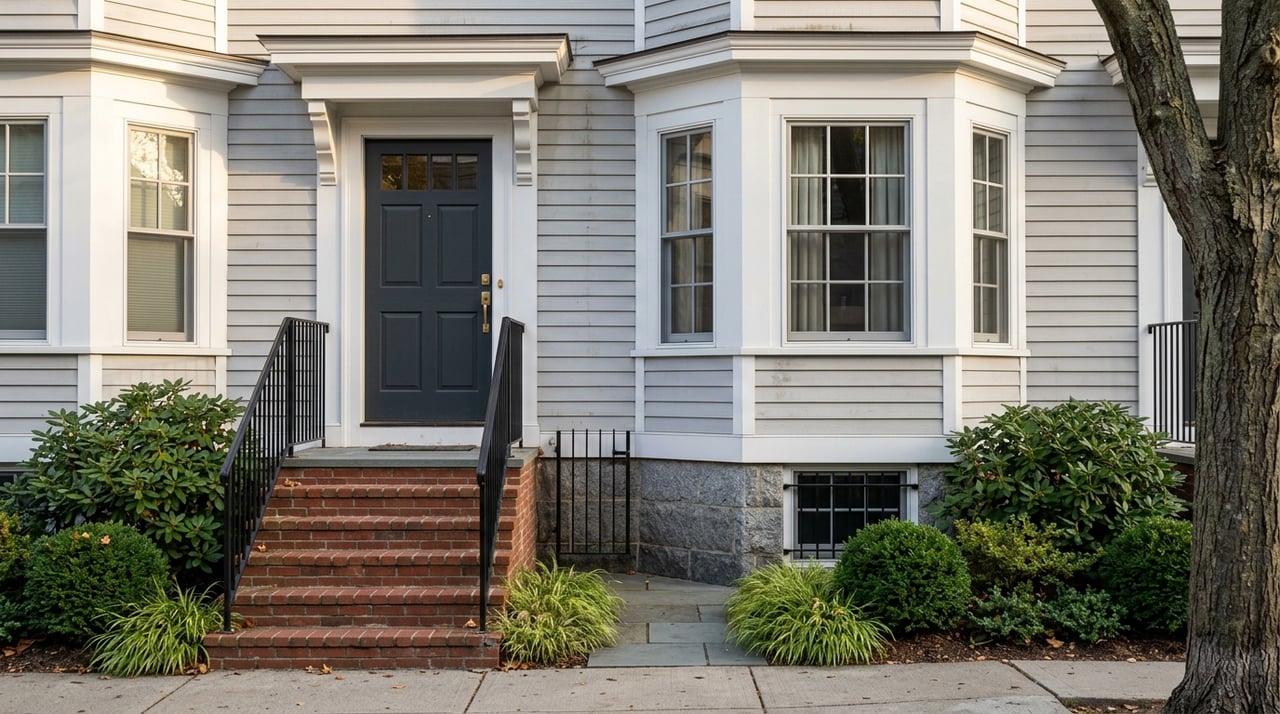
Smaller conversions usually feel more residential and less institutional. In Cambridge, that might mean a unit in a converted two-family or three-family property where the ownership setup feels closer to sharing a house than living in a high-service building.
That can be attractive if you want fewer shared spaces and a simpler monthly fee structure. But in a small association, the details in the condo documents matter even more because there are fewer owners to share costs and less room for vague boundaries or inconsistent expense splits.
A low condo fee can look great at first glance, but it does not always tell the whole story. Massachusetts law requires condo associations to assess common expenses at least annually based on an adopted budget, and those costs are shared according to the formula in the master deed.
In a larger building, monthly fees may feel higher because they often support more services, more systems, and sometimes more amenities. At the same time, those costs are spread across more units, which can make monthly ownership feel more predictable.
In a smaller conversion, the fee may look modest because there are fewer common elements and fewer services. But if the roof, boiler, masonry, or exterior needs major work, the cost may fall on only two to four households. That can make a smaller association feel less expensive in normal months but more exposed when a big repair comes up.
When you buy a condo in Cambridge, you are buying into the association’s financial habits as much as the unit itself. Massachusetts requires condo organizations to keep financial records, reserve-fund records, meeting minutes, contracts, insurance policies, and related documents available for reasonable inspection by owners and first mortgagees.
That gives you a practical roadmap for evaluating risk. Instead of asking only, “What is the condo fee?” you should also ask:
In larger buildings, reserve planning may be more formal. In smaller conversions, reserve discipline can vary more from one building to the next, which makes document review especially important.
If you value a more predictable ownership experience, a larger building may fit well. Formal management, regular vendors, and established rules can make it easier to understand how repairs are handled and how decisions get made.
That does not mean every large building runs perfectly. It does mean the process is often more systematized, which can appeal to buyers who want less day-to-day involvement.
In a two-unit, three-unit, or four-unit association, owner relationships matter more. You may need to work more directly with neighbors on exterior maintenance, snow removal, landscaping, plumbing emergencies, or approval of shared projects.
Small associations can work very well when owners communicate clearly and budget responsibly. But they can also feel more hands-on, especially if the association is self-managed and decisions depend on quick agreement between a small group of owners.
The master deed and bylaws are not just legal paperwork. They define the land, units, common areas, ownership percentages, floor plans, intended uses, and how the association operates. They also address maintenance responsibilities, collection of common expenses, rulemaking, and whether a manager may be hired.
That is why two Cambridge condos with similar square footage can feel very different as ownership experiences. One may have clear cost-sharing, solid records, and healthy reserves. Another may have lower fees but weaker planning and less clarity around maintenance responsibilities.
Cambridge housing data also points buyers toward housing code violation information. That makes it reasonable to check whether a building shows a pattern of recurring enforcement issues or unresolved repair concerns.
This can be especially relevant in older or lightly managed conversions, where water intrusion, exterior upkeep, or deferred maintenance may become association-level problems. A polished kitchen matters, but so does the condition and maintenance history of the building around it.
In Cambridge, there is no universal winner. The better choice often depends less on the size of the building and more on the health of the association, the quality of the records, and how comfortable you are with the building’s management style.
No matter which type of condo you are considering, ask for the key association documents early. Review the master deed, bylaws, current budget, reserve-fund records, recent meeting minutes, insurance certificate, and any information about pending special assessments.
If you are comparing smaller conversions, go a step further. Ask who handles roof work, exterior maintenance, snow, landscaping, plumbing emergencies, and limited common-area repairs. Also ask whether the building is self-managed or professionally managed and how quickly owners have historically approved projects or assessments.
Those answers can tell you whether the building is truly well run or whether a low monthly fee is masking delayed expenses.
Choosing between Cambridge condos and smaller conversions is really about matching the building to your comfort level, budget strategy, and ownership style. A larger building often offers more structure and more predictable systems. A smaller conversion can offer charm and a more residential feel, but it may require more owner participation and more tolerance for occasional surprise costs.
In a city like Cambridge, where multi-family and condo living are such a major part of the market, the strongest move is careful due diligence. When you understand the documents, the reserves, and the way the association functions, you can make a decision with much more confidence.
If you are weighing Cambridge condo options and want practical guidance on how a specific building compares, Mike Cohen can help you sort through the details and find the right fit for your goals.
Mike embodies a rare combination of scrappy determination and refined confidence. Known for his personable nature and self-deprecating sense of humor, he is able to genuinely connect with people.
Let's ConnectCompass
126 Newbury St 2nd Floor Boston, MA 02116