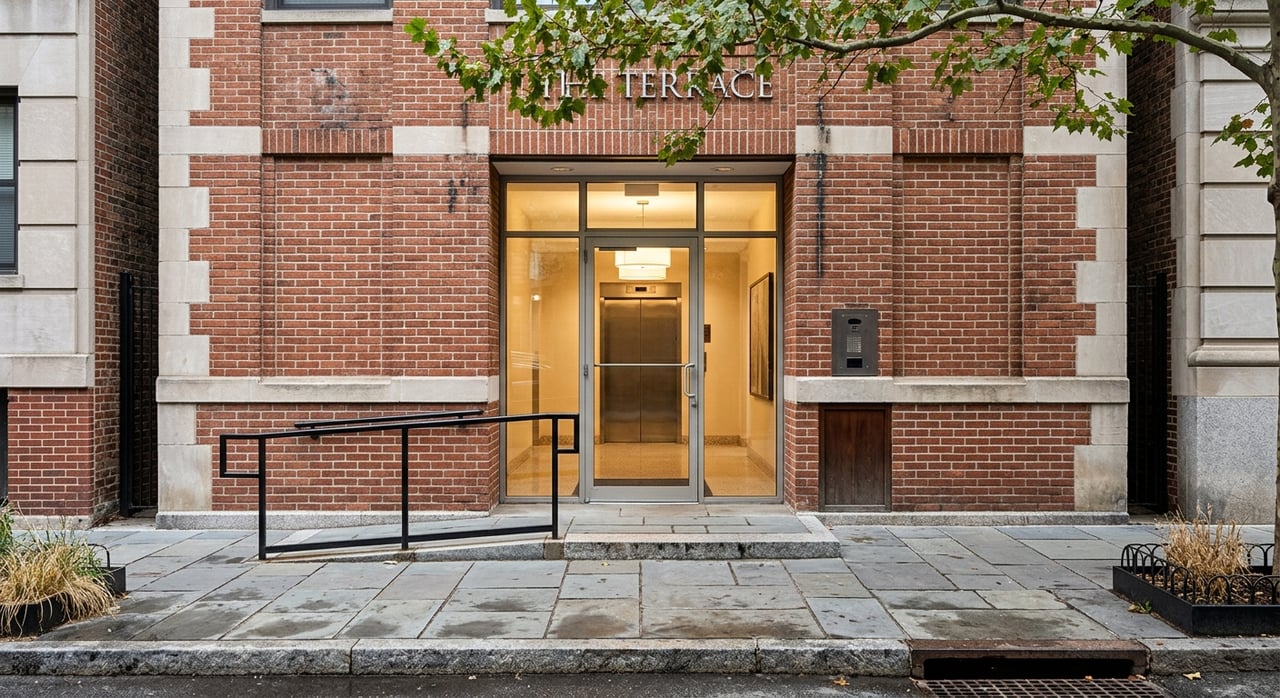
Thinking about downsizing in Cambridge, but not ready to leave the community you know? You are not alone. For many homeowners, the goal is not just to move into a smaller place. It is to simplify daily life, unlock equity, and stay close to familiar streets, local routines, and the people who matter most. The good news is that Cambridge offers several realistic paths for doing exactly that. Let’s dive in.
Cambridge is not a market where downsizing usually means moving from one detached house to another smaller house nearby. The city’s housing stock is dense and heavily multifamily, with only 6.4% of dwelling units in single-family properties. By contrast, condos make up 27.6% of the housing stock, and many other homes are in two-unit, three-unit, mixed-use, and larger multifamily buildings.
That matters because your best local downsizing options often line up with what Cambridge already has the most of. In practical terms, that usually means looking at condominiums, smaller converted buildings, or elevator-served multifamily homes rather than waiting for the perfect small single-family home to appear.
Cambridge also remains a high-value market with limited inventory. According to the city’s 2024 figures, median market-rate sale prices were $2.315 million for single-family homes and $870,000 for condominiums. For many homeowners, that price gap creates a real opportunity to sell a larger home and move into something easier to manage while potentially freeing up substantial equity.
For many Cambridge homeowners, a condo is the most natural downsizing move. Condos are a meaningful part of the city’s housing mix, and they can offer simpler maintenance, less interior space to manage, and locations that keep you close to your current neighborhood patterns.
A condo can also make budgeting more predictable, though you still need to account for monthly ownership costs. If you are comparing options, look beyond square footage and focus on layout, access, storage, and building operations.
If you want something that feels a little more residential or intimate than a large condo building, smaller multifamily conversions can be worth a close look. Cambridge has a substantial share of housing in two-unit, three-unit, and four-to-six-unit buildings, which makes this a standard local housing type, not a niche option.
These homes may appeal if you want fewer neighbors, a different exterior style, or a layout with more character. They can be especially useful if your goal is to reduce maintenance without moving into a very large building.
Accessibility is not just a specialty concern. Cambridge’s 2020 to 2024 ACS data show that 7.5% of residents report at least one disability, including ambulatory and independent living difficulties for a meaningful share of households.
If you are downsizing with the next 10 to 15 years in mind, features like step-free entry, elevator access, single-level living, wider hallways, and easy-to-navigate layouts can make a big difference. Even if you do not need those features today, choosing a home that is easier to live in over time can reduce the chance of another move later.
Downsizing often starts with a simple question: will this move actually improve your finances? In Cambridge, the answer can be yes, but only if you run the full math.
The city’s 2024 median prices suggest that moving from a single-family home into a condo may free up significant equity. But your actual outcome depends on your mortgage balance, sale proceeds, closing costs, moving costs, and the price of the replacement home.
It is also important to remember that a smaller home does not always mean a small cash outlay. On the purchase side, you still need to budget for closing costs, property taxes, insurance, moving expenses, repairs, and any updates or furnishings needed to make the new space work for you.
Cambridge’s FY26 residential tax rate is $6.67 per $1,000 of assessed value. If you are planning to own and occupy your next home, the residential exemption may be an important part of your budget.
The city says the residential exemption uses a January 1 ownership and occupancy test and must be filed by April 1. It reduces the tax bill by excluding a portion of residential property value from taxation for qualified homeowners, and a new owner must qualify in order to continue receiving it in the next fiscal year.
If you are an older homeowner planning to stay in Cambridge, the city’s personal exemption programs may be worth reviewing. Cambridge states that the 41C elderly exemption is for taxpayers age 65 or older who meet income and asset requirements.
The city also offers the 17D elderly exemption for taxpayers age 70 or older with asset restrictions. In addition, the 41A tax deferral program can defer up to 100% of annual property taxes, with deferred taxes accumulating simple interest at 4% as a lien until the property is sold or the owner is deceased. Annual applications or renewals are due by April 1.
One of the hardest parts of downsizing is not choosing the next home. It is making the timing work. If you want to stay local, you may feel pressure to sell and buy within a tight window because inventory can be limited.
A smart plan usually starts with sequencing. You need to know whether you are more comfortable selling first, buying first, or creating a buffer between the two.
Home-sale and home-close contingencies can give you time to sell or close on your current property before fully committing to the next one. These tools can help reduce risk when your move depends on proceeds from your current home.
If your next home is a condo, you may also need time to review association documents and building financials. Clear timelines matter, especially in a competitive market where every date in the contract has practical consequences.
A rent-back arrangement can allow you to stay in your current home for a negotiated period after closing. That can be useful if you want to sell into favorable market conditions but need a little extra time before moving into the next property.
For many downsizers, this can reduce the stress of trying to coordinate movers, clean-out, and closing dates all at once. It can also give you more flexibility if your next purchase is delayed.
If you need to buy before your current home closes, bridge or swing financing can sometimes help. This approach needs careful review because lenders will look at your ability to carry the new home, your current home, the bridge loan, and your other obligations at the same time.
This is not the right fit for every household, but it can be part of the conversation when the right replacement property becomes available before your sale is complete.
Yes, but they need to be budgeted seriously. In 2025 Q3, Cambridge market-rate asking rents were $2,785 for a one-bedroom and $3,400 for a two-bedroom.
Because 66.5% of occupied units in Cambridge are renter-occupied, an in-city rental bridge is a realistic option. Still, it should be treated as a real carrying cost, not just a temporary placeholder. If you are considering this route, factor in rent, deposits, moving costs, storage, and the possibility of furnishing a short-term space.
Affordable housing should be understood as a specific, income-restricted path rather than a general downsizing solution. As of June 30, 2025, Cambridge counted 9,021 affordable units in its housing inventory.
The city defines these as units with long-term rent or sale restrictions and income-eligibility rules. That makes them important to know about, but not a universal option for every homeowner planning to downsize.
If you want to stay in Cambridge, it helps to make decisions in the right order. Start with the basics, then narrow your options.
Downsizing is rarely just about square footage. In Cambridge, it is often about keeping the parts of your life that already work while letting go of space, upkeep, or cost that no longer serve you.
If you are weighing a move, the right strategy can help you stay local without feeling rushed or boxed in. To talk through your options with a practical local perspective, Mike Cohen can help you map out the sale, the search, and the timing.
Mike embodies a rare combination of scrappy determination and refined confidence. Known for his personable nature and self-deprecating sense of humor, he is able to genuinely connect with people.
Let's ConnectCompass
126 Newbury St 2nd Floor Boston, MA 02116